



Quality Management
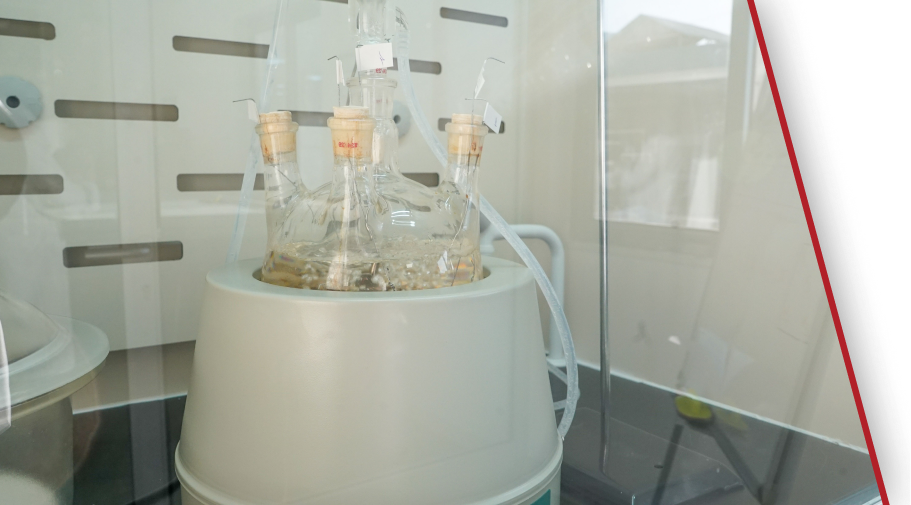
Control of Raw Material Intake
- Tier 1 manufacturers approved material quality assurance
- Stringent supplier managment
- Regular raw material testing
- Proper storage at sonstant temperature and humidity
Production Quality Control
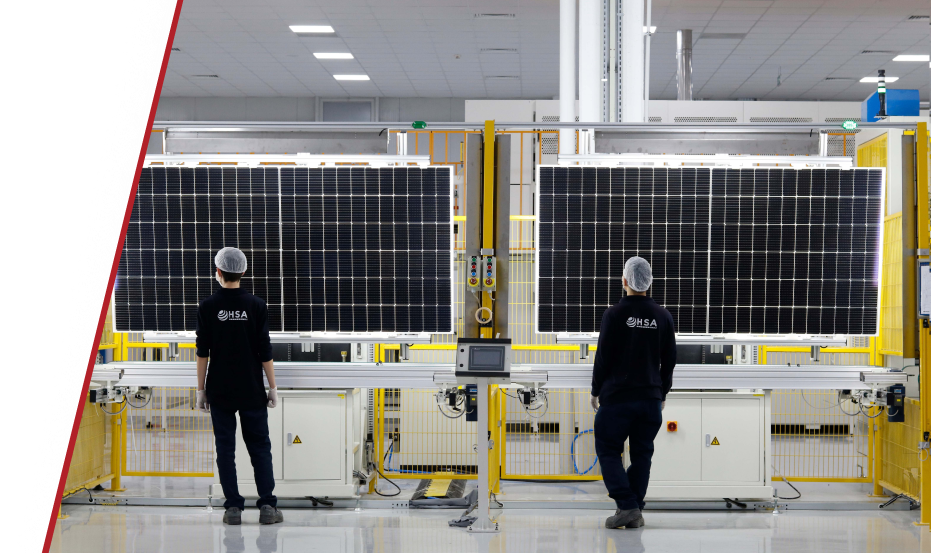
- 3A++ IV Test measurement
- Fully Automated production line
- 100% EL testing in 3 stages
- In-process quality control
- %100 Reliability Tests
- Lower Uncertainty With A++ PASAN
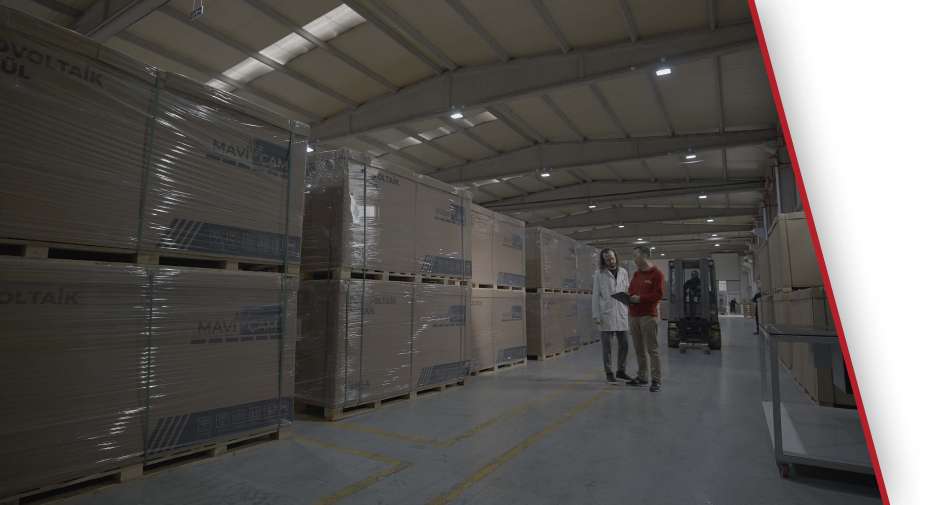
Pre-Shipment Inspection
- Each packaging is opened before each shipment and the modules are retested.
Third-Party Reliability Test
- Independent audits conducted by accredited test laboratories, institutes and bodies
- Product tests for certification by the authorized laboratories, institutes, and bodies

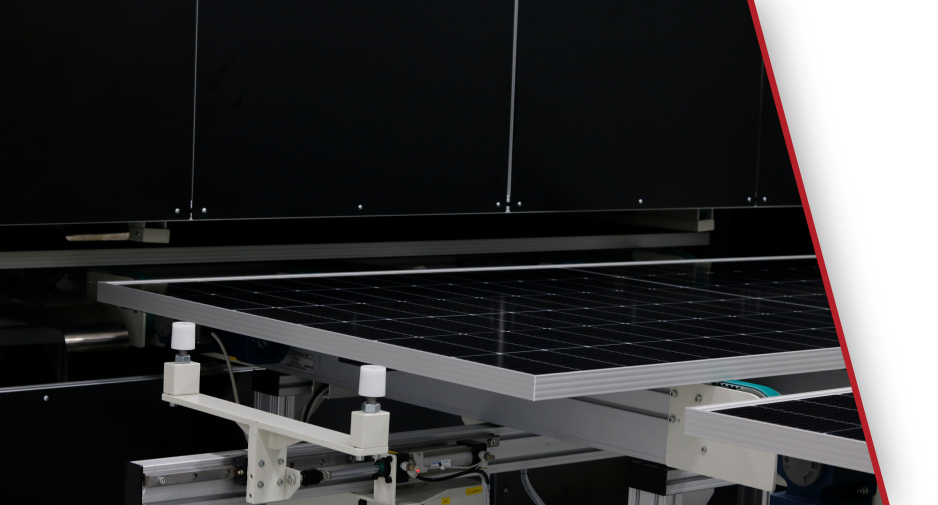
Accreditation
- Traceable product and integrated management systems certificates





%100 Traceability
MES (Manufacturing Execution System)
- Real-time monitoring
- Optimization of workforce and operational processes
- Improvement of quality control processes
- Full transparency in production processes
- AI-powered production management
- Enhanced production performance and tracking through real-time data



It is applied in the Warehouse before the shipment at each shipment of 1 TIR/Container

A virtual container number is assigned to 20 pallet (TIR/Container) of products.

One pallet is randomly selected from 20 pallets.

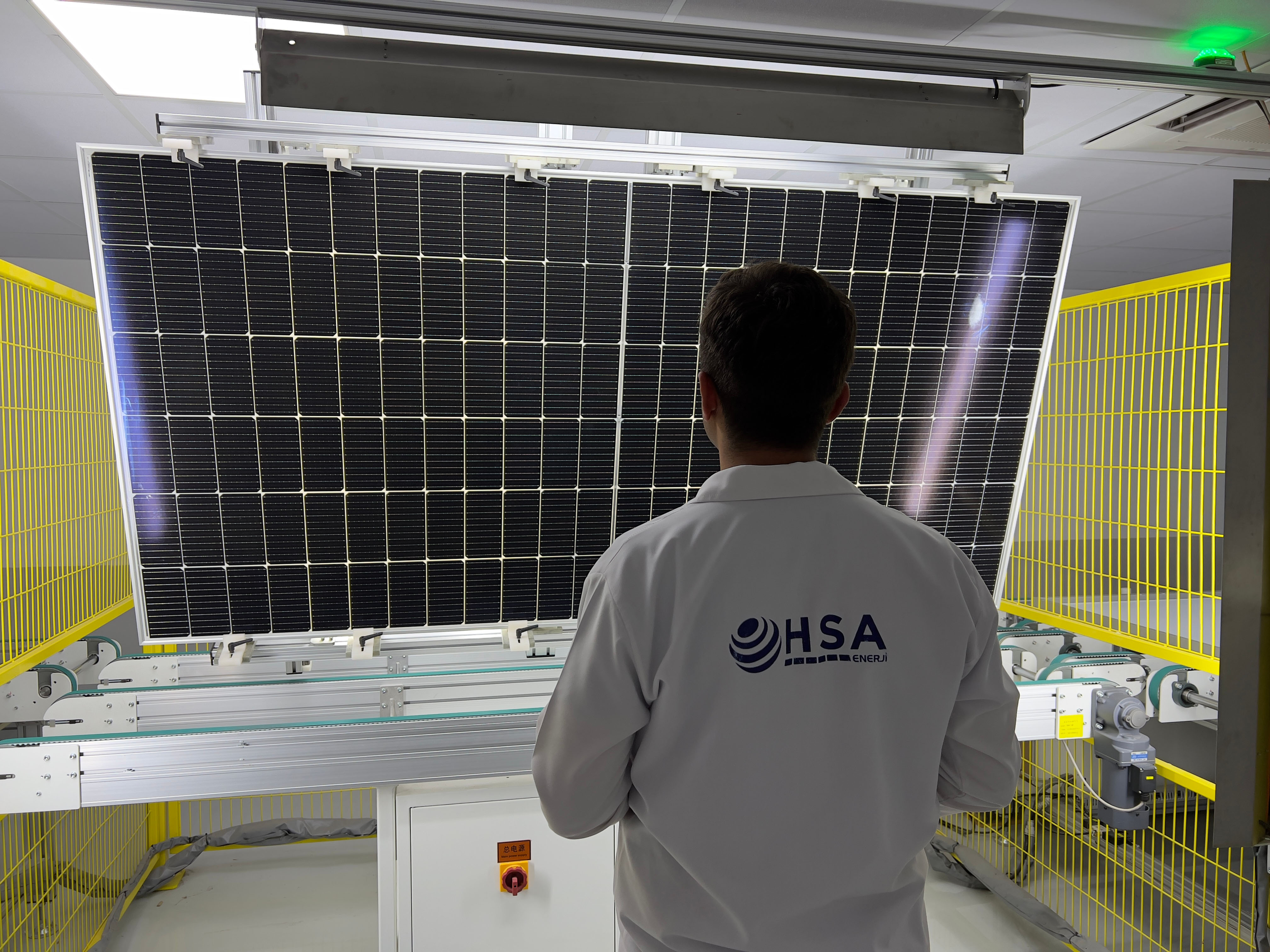
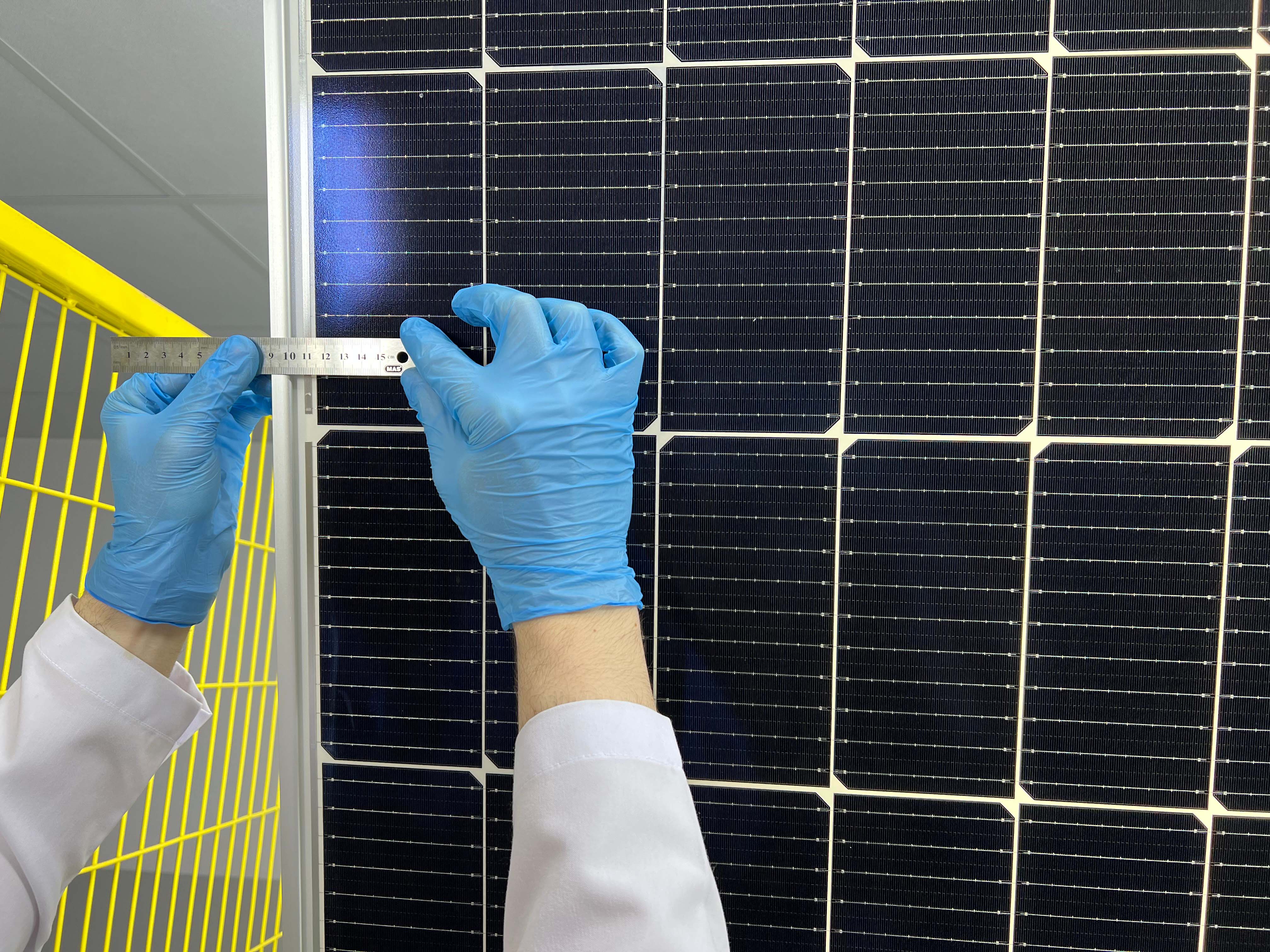
The selected pallet is completely opened and all modules undergo visual + EL + IV tests in a specifically designed PSI room.

Products that pass al inspections successfully are repackaged.

The quality unit approves the shipment.

If there is non-conformity, all 20 pallets are re-inspected.
MANUFACTURING EXCELLENCE
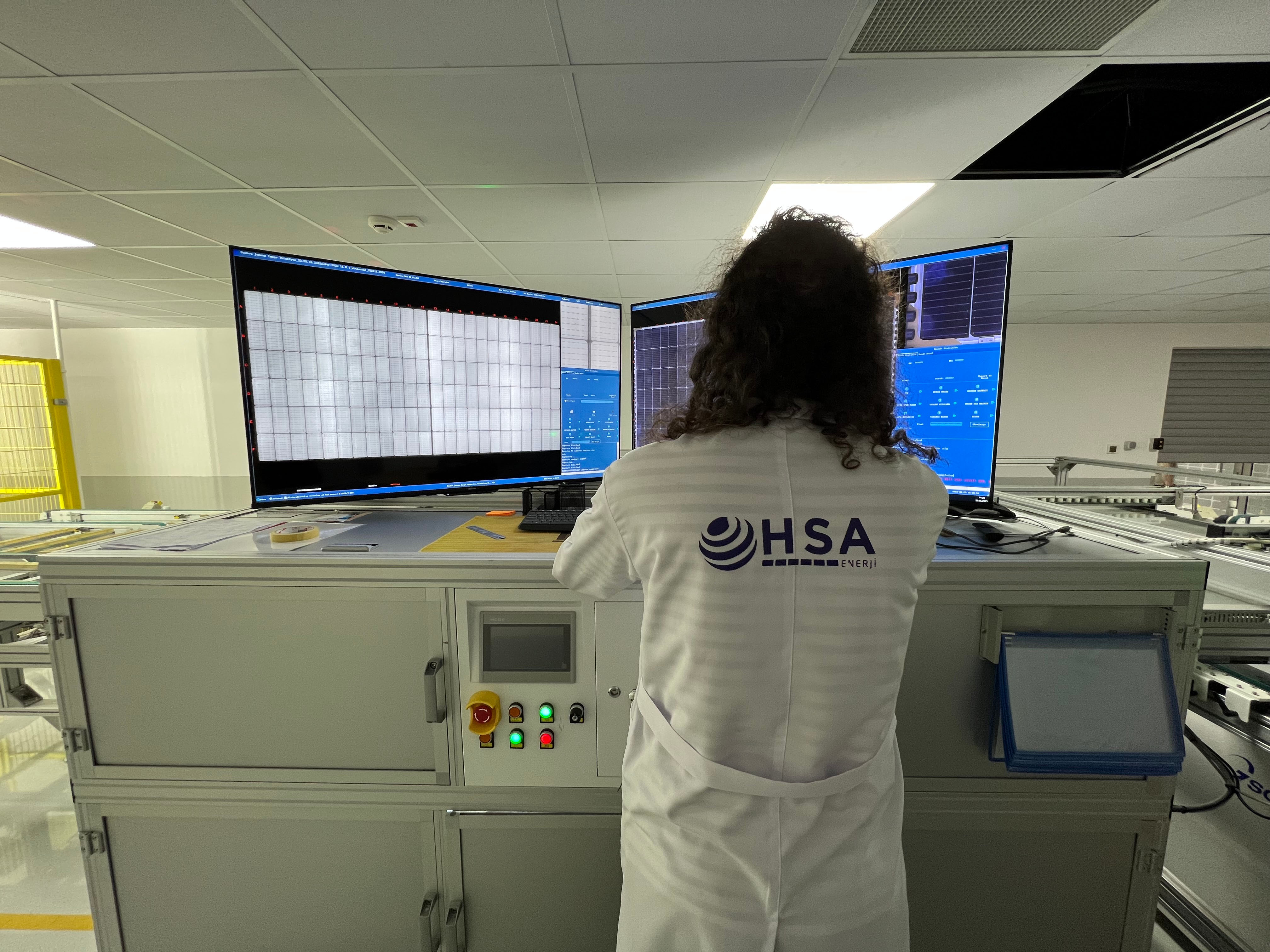
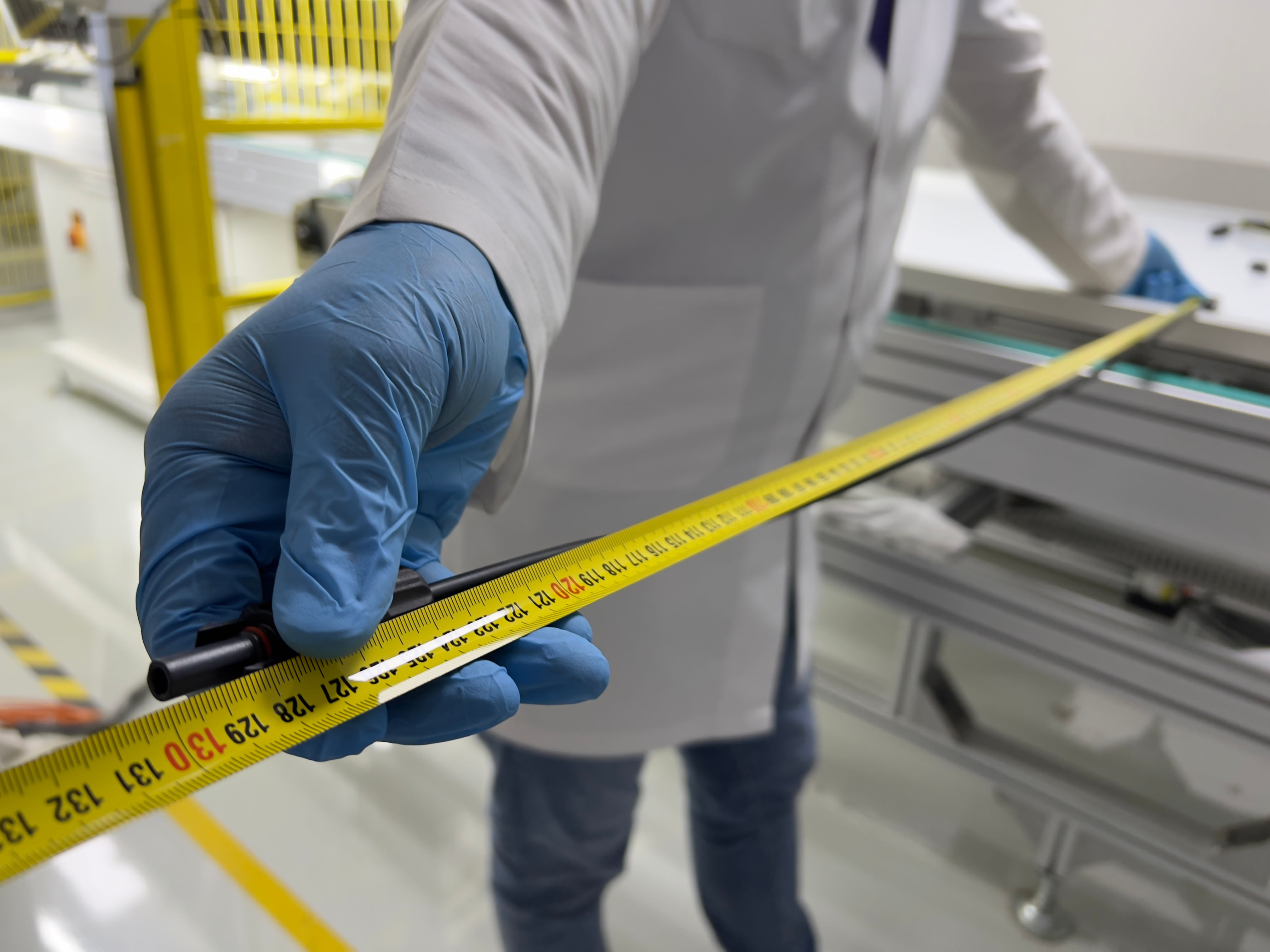
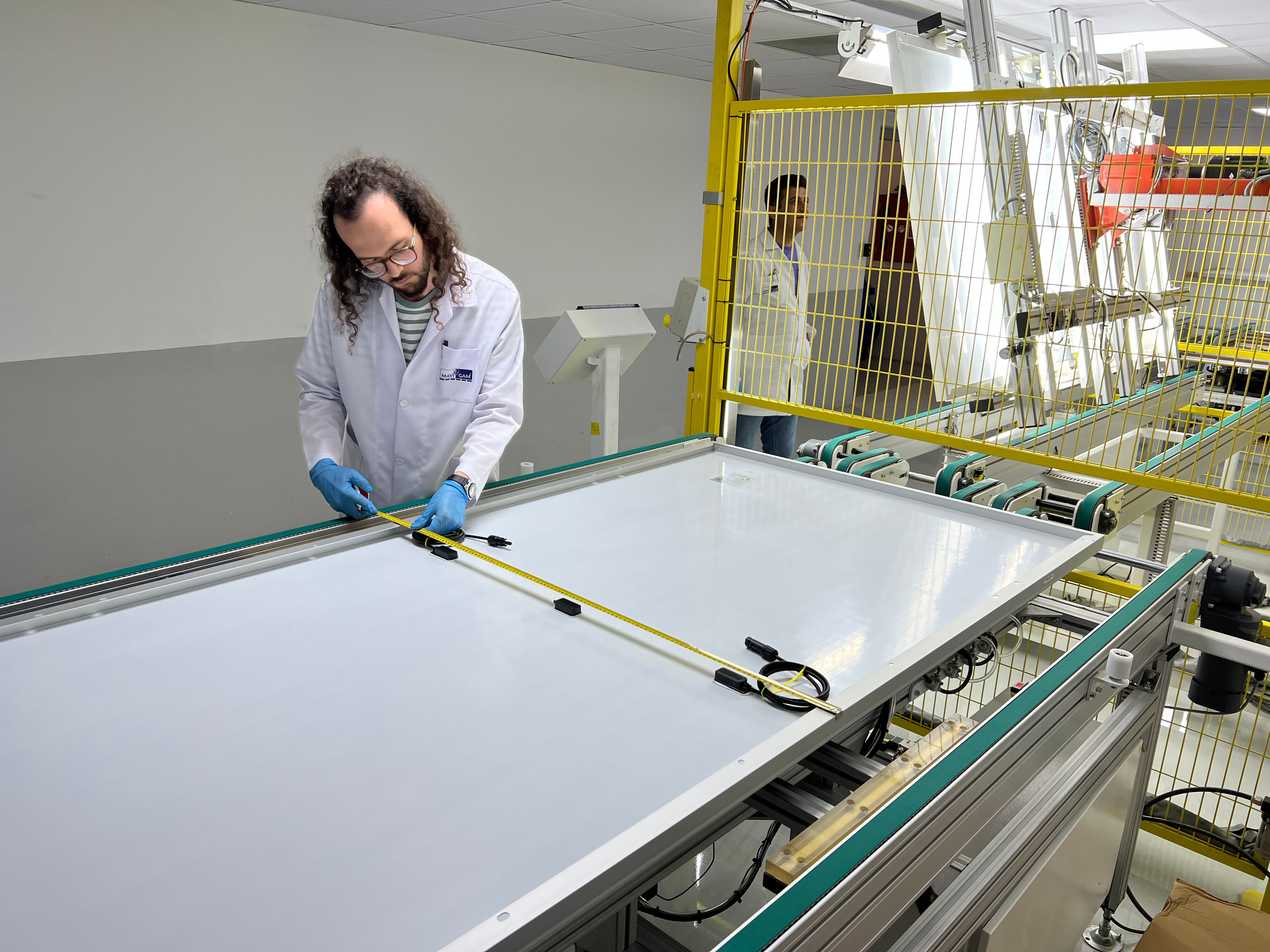
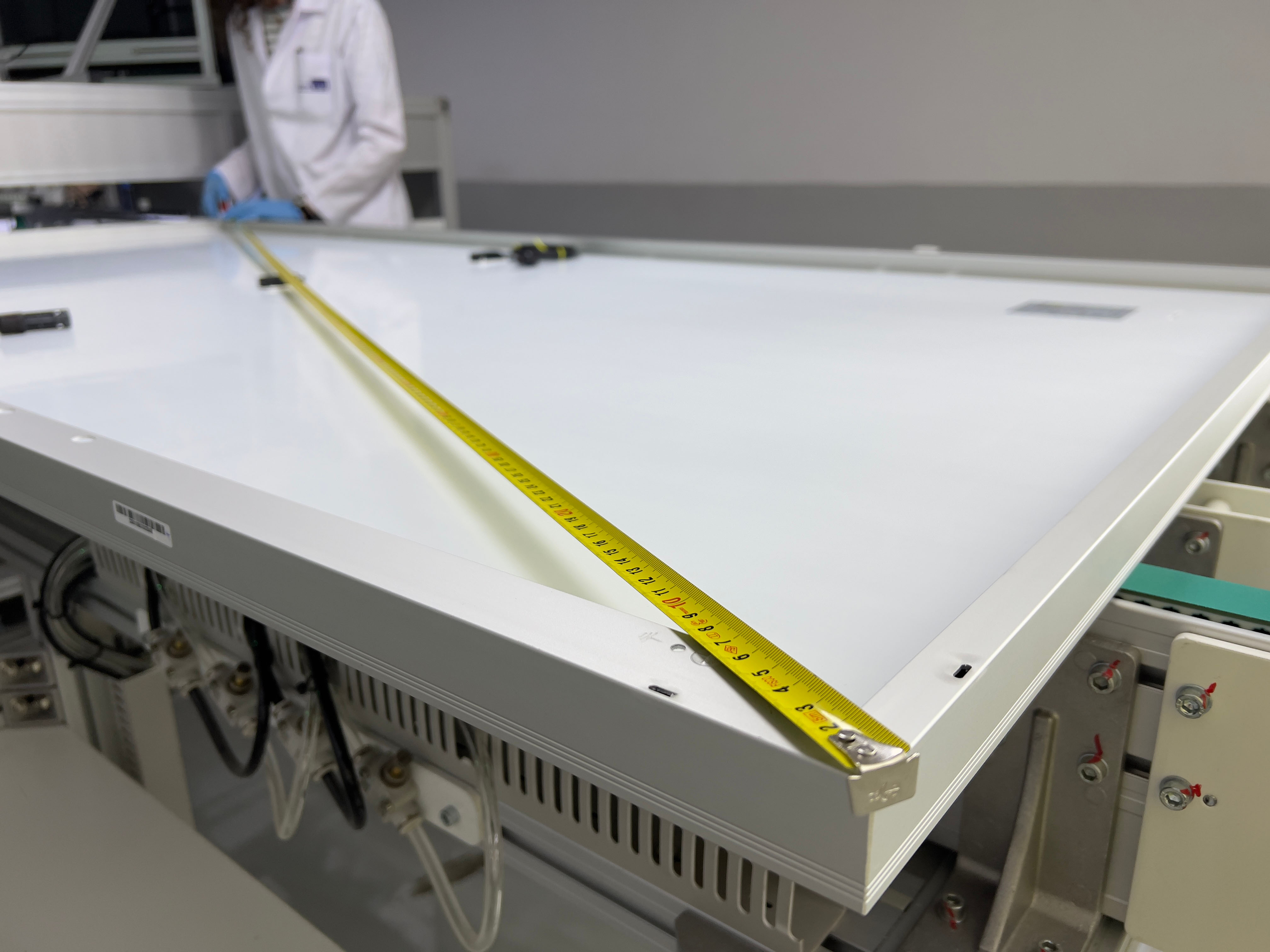
In our manufacturing plant located in Manisa, Organized Industrial Zone, Türkiye, The solar modules are manufactured with the manufacturing process based on full automation, from automated banding to automated labeling and automated packaging. Ensuring manufacturing excellence allows to minimize the human errors for high quality solar modules which are manufactured with high technology and automation.
Using the Manufacturing Execution System (MES), HSA Energy has fully monitorable and 100% traceable manufacturing processes, from raw materials intake to packaging.
Excellence in Details by Quality Tests at Every Stage of Production
In order to manufacture solar modules at global standards, peeling and crosslinking test should be performed for incoming quality controls of raw materials before production and also residual current tests should be performed for outgoing quality controls.
Each solar module is tested for "Electro luminescence" (EL) in 3 stages starting from incoming quality controls to outgoing quality controls. It provides information on the structure of cells, possible damages to cells such as microcracks and regular cracks, proper distance between the cells and strings, possible short circuit on the module, and the source of any problem (if any) with IV curve measurement. From incoming quality controls to packaging, all of these tests are applied on each manufactured solar module.
Better in all Aspects with Packaging Details
Micro-cracks, scratches or fractures may occur in the glass or frame if required precautions are not taken in the installation and packaging of solar modules. The use of 3-corrugated cardboard prevent impacts on the box from damaging the modules. The use of qualified cardboard ensures that the solar modules are not affected by climatic conditions and that the box is not deformed during shipment. When the modules are secured with the green fixing strips, this greatly reduces vibration-induced distortions that may occur during shipment, and in particular the risk of microcracks. The brackets and wooden corner wedges placed at the corners of the box prevent the modules from being damaged by the corners and especially from the impacts that may occur during the shipment operation.